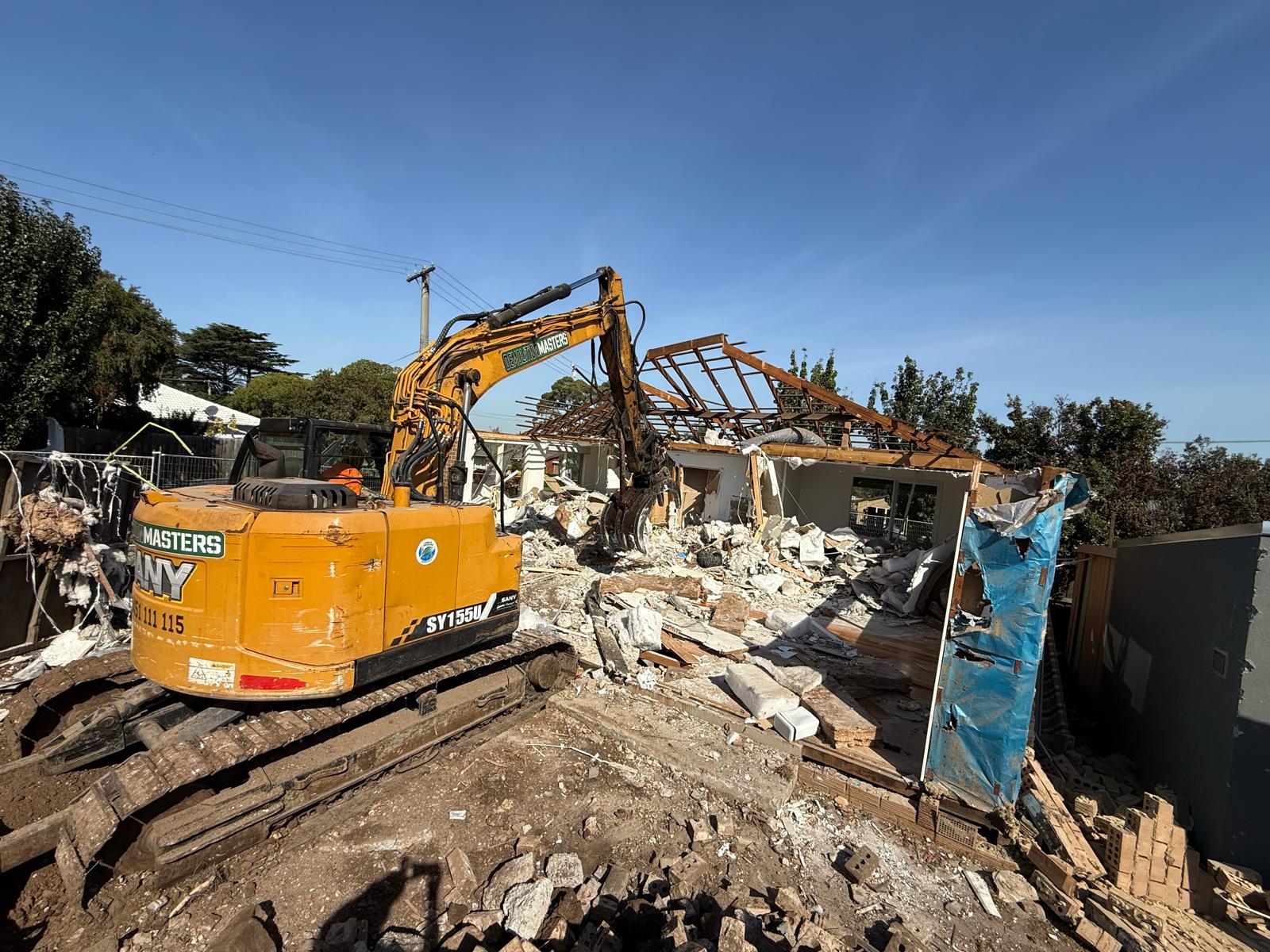
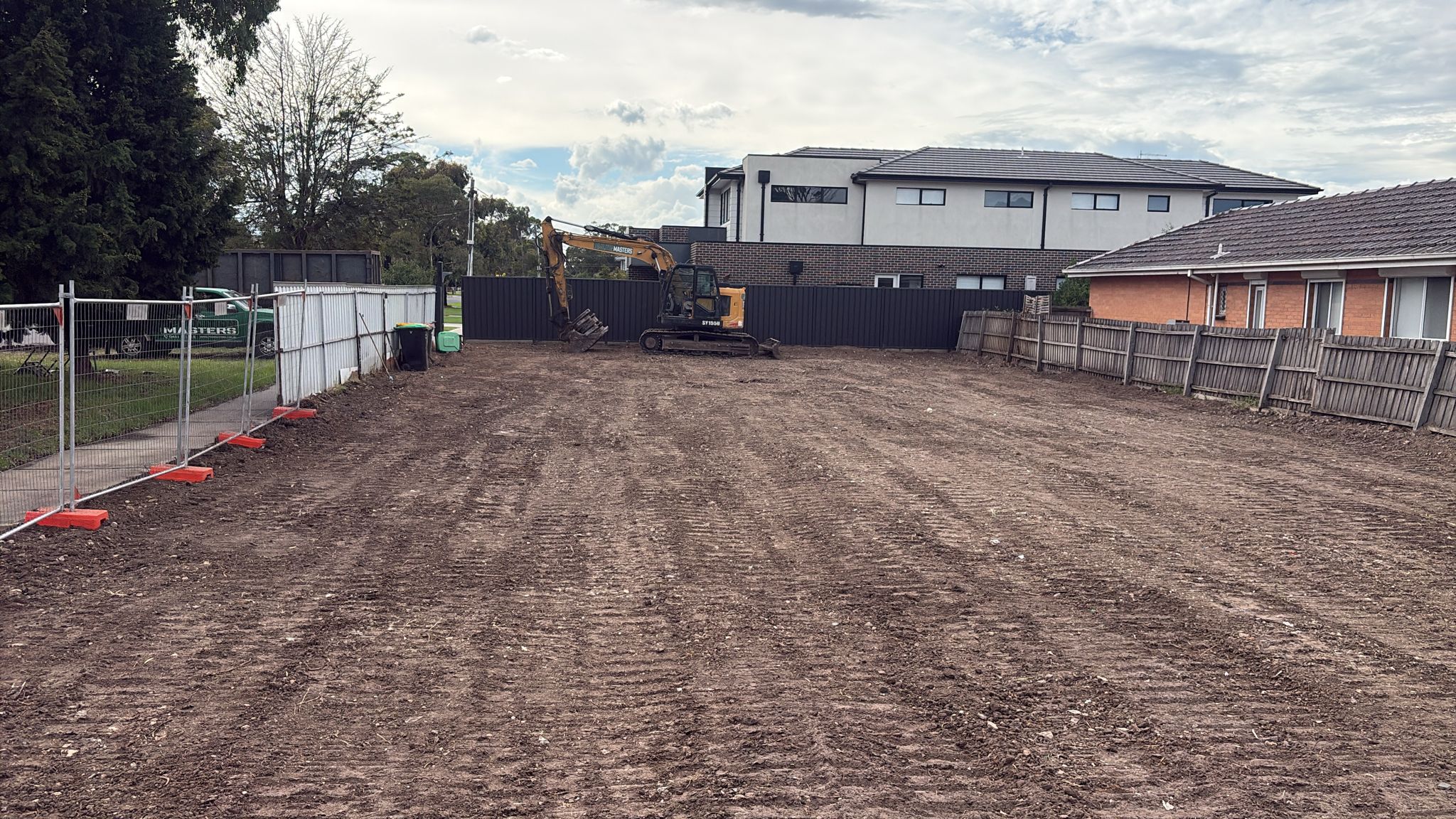
Most homeowners discover the hidden costs of a cheap demolition quote on the day the variation invoice arrives. By that stage, they have signed, paid a deposit, the slab is half broken, and the leverage to negotiate is gone. The eight items below are where the gap between cheap quotes and honest quotes usually lives.
1. Asbestos surcharges added after the fact
This is the single most common variation. The original quote either did not mention asbestos at all, or assumed there was none, or capped the volume at an unrealistic figure. When the licensed removalist arrives and finds more than expected, the homeowner pays for the difference.
The fix: insist on a sampling survey by a licensed assessor before the quote is signed. The cost is a few hundred dollars and it pays for itself ten times over. Full breakdown here.
2. Tip fees calculated separately
Some quotes include a "tip fee allowance" that turns into a per-tonne charge once the actual disposal weights come through. If the building was heavier than estimated — common with brick — the variation can be thousands.
The fix: the quote should say "all disposal included" with a clearly stated assumption (for example, "based on building footprint up to 250 m²") and a written process for any genuine over-volume. Vague allowances are the giveaway.
3. Asset protection bond not included
Most Melbourne councils require a refundable asset protection bond — typically $1,000 to $5,000 — to cover any damage to footpaths, kerbs, or street trees during demolition. Some quotes pass the bond cost through to the homeowner without saying so. The bond is refundable, but the cash flow hit is real.
The fix: ask "who pays the asset protection bond, and when is it refunded?" The answer should be in writing.
4. Service disconnection costs
Disconnecting gas, water, electricity, sewer, and NBN is the homeowner's responsibility, not the demolition contractor's. Each provider has its own form, fee, and lead time. Gas in particular needs an "abolishment" rather than a simple disconnection — something many homeowners learn the hard way when the demolition can't proceed because the meter is still live.
The fix: a good contractor sends you a checklist and timeline for service disconnections at the time of contract. We list every disconnection step here.
5. Hoarding and dust suppression
Inner-city sites often need temporary hoarding and active dust suppression — water sprays during demolition, swept access paths, sometimes covered scaffolding. These are line items in good quotes and "absorbed elsewhere" in cheap quotes, which translates to "we won't actually do this and your neighbours will complain."
The fix: ask explicitly about hoarding, dust suppression equipment, and the noise management plan. The answer should be specific.
6. Tree protection and arborist sign-off
If your block has a council-protected tree, the demolition contractor can't go near it without a tree protection zone in place — usually fenced off, sometimes with an arborist's prior sign-off. Cheap quotes assume someone else handles this. Then on day one the council inspector turns up, the works stop, and the homeowner pays the day-rate for the idle crew.
The fix: identify any protected vegetation before quoting and put the protection plan in writing.
7. "Site clearing" definitions that don't match
"We'll leave the site clear" can mean ten different things. Slab broken and removed? Footings exposed? Site levelled to a builder's spec? Soft fill from old plumbing trenches removed? Each of these takes different time and cost. The variation appears when the next builder arrives, finds something not done, and the homeowner has to pay someone to finish the job.
The fix: get the handover condition specified in writing. We have a separate guide on what "rebuild-ready" should actually mean.
If your demolition quote can't be read in 24 hours and used directly to compare against another quote, line by line, it's too vague. A good quote is a list of what's included with prices and assumptions written down.
8. Variations on time, not scope
The most insidious one. The quote says "approximately three weeks" without committing to a hard programme. Then bad weather, a sub-contractor no-show, or a permit delay stretches it to six. Holding costs accumulate — you may be renting elsewhere, the build may be delayed, finance fees on the rebuild start clocking. None of these are billed back to the contractor, but they're real money to the homeowner.
The fix: the quote should include a working-day estimate, not a calendar estimate, with named conditions for when extensions apply (weather, council inspection delays, etc.). It should also include a start date or a window. Vague timing is a red flag. Realistic timing breakdown here.
How to compare two quotes properly
Lay them side by side. For every item on the more expensive quote, ask the cheaper contractor "is this included?" If the answer is "yes" you've found genuine value. If the answer is vague, you've found the gap that will become the variation invoice. Use our 10-question contractor checklist to push for clarity.
The cheapest quote vs the cheapest job
The cheapest quote is the quote with the lowest headline number on the day you compare. The cheapest job is the one that finishes within the original price, on time, with no variations chasing you a month later. Those are not the same thing, and the eight items above explain almost all of the gap.