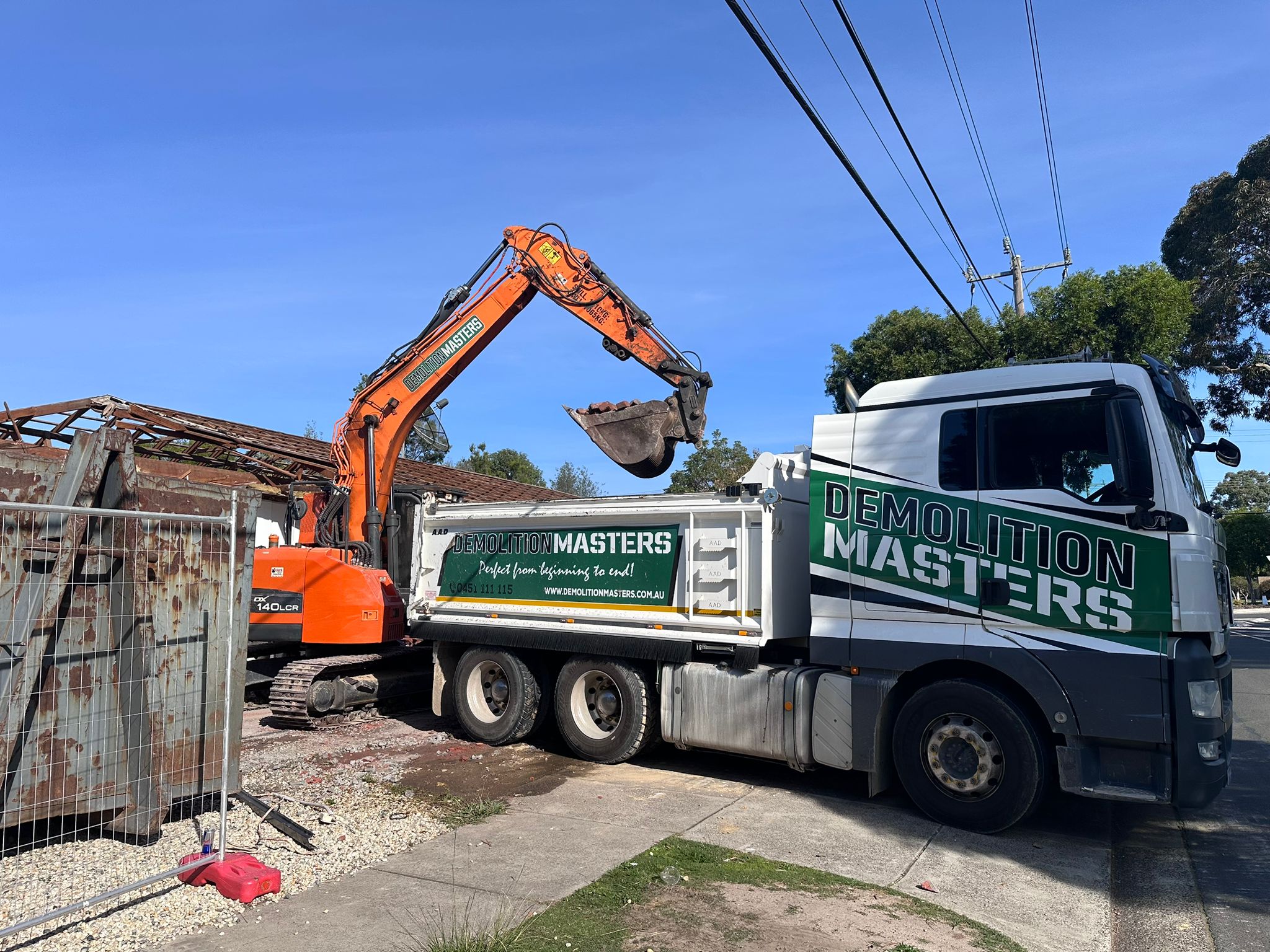
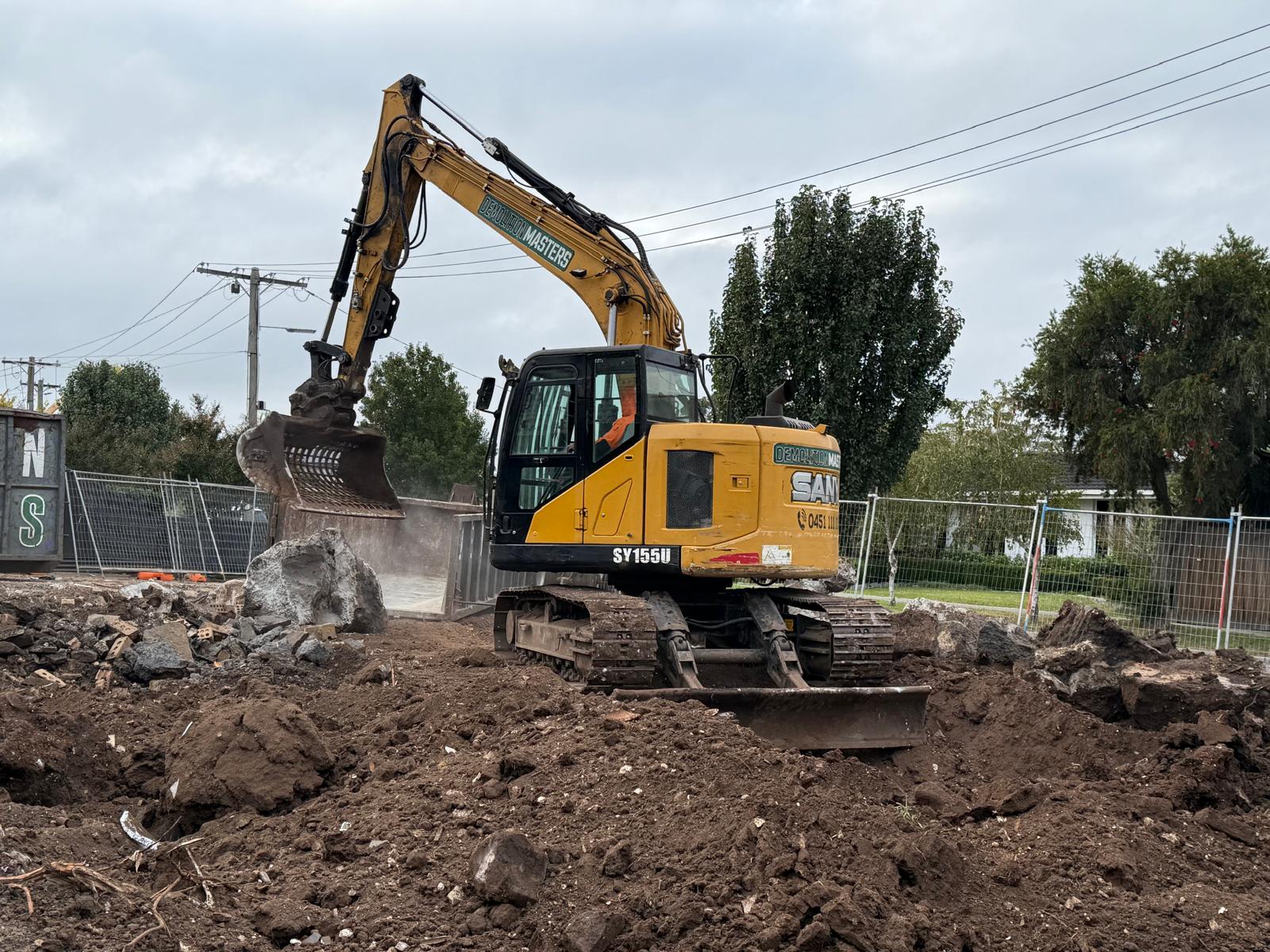
Demolition in Victoria is regulated. Building permit, planning permit (sometimes), asset protection bond, asbestos notification — each one has its own purpose, its own cost, and its own lead time. Skipping any of them isn't a paperwork shortcut, it's a legal liability that lands on the homeowner. Here is what you actually need, who applies for it, and how long it takes.
The four kinds of permits and approvals
1. Building permit (always required)
Issued by a registered building surveyor under the Building Act 1993. Required for almost every demolition in Victoria, with very few exceptions (small detached non-habitable buildings under defined dimensions). The permit confirms the proposed demolition meets safety, neighbour notification, and engineering requirements.
Who applies: Usually the demolition contractor, on the homeowner's behalf.
Cost: $400–$1,500 typically, including surveyor fees.
Lead time: 2–4 weeks.
2. Planning permit (sometimes required)
Issued by the local council under the planning scheme. Required when the property is in a heritage overlay, conservation overlay, neighbourhood character overlay, or vegetation protection overlay. Also required for some larger commercial demolitions.
Who applies: Usually the homeowner or their planner.
Cost: $200–$2,500 council fee, plus planner fees if engaged.
Lead time: 4–12 weeks (sometimes longer if appealed). Heritage detail here.
3. Asset protection bond (almost always required)
A refundable bond paid to the local council to cover any damage to council assets during demolition — footpath, kerb, street trees, road surface. Returned at project completion if no damage.
Who applies: The contractor, with the bond often passed through to the homeowner.
Cost: $1,000–$5,000 (depending on council and works scale), refundable.
Lead time: 1–2 weeks for lodgement.
4. Asbestos notification
If asbestos removal exceeds 10 m² (Class B bonded) or any quantity of Class A friable, the licensed removalist must notify WorkSafe Victoria at least 5 days before removal begins. Asbestos detail here.
Who applies: The licensed asbestos removalist.
Cost: Usually included in the asbestos removal price.
Lead time: 5 working days minimum from notification to start.
Other approvals that may apply
Heritage overlay demolition consent
Inside a heritage overlay, full demolition is sometimes prohibited entirely; partial demolition (rear additions, outbuildings) is often allowed. The planning permit process specifically addresses what may be removed and what must be retained.
Vegetation Protection Overlay (VPO)
Some councils protect specific tree species or any tree above a defined diameter. If your block has a protected tree, the planning permit may require a tree management plan and arborist sign-off before demolition.
Significant Tree Register
Several Melbourne councils maintain registers of significant trees. Demolition or works that affect these trees require council consent.
Works in road reserve
If demolition trucks need to occupy the footpath or road during the works, a separate "works within road reserve" or "minor works permit" may be required from council. Allow 1–2 weeks.
Who applies for what — the practical division
| Permit | Who applies | Who pays |
|---|---|---|
| Building permit | Contractor | Homeowner (often through contract) |
| Planning permit | Homeowner / planner | Homeowner |
| Asset protection bond | Contractor | Homeowner (refundable) |
| Asbestos notification | Removalist | Through removal contract |
| Service disconnections | Homeowner | Homeowner |
| Works in road reserve | Contractor | Homeowner (small fee) |
Permit costs are usually under $5,000 in total. The lead time can be the bigger issue — a planning permit alone can hold up the demolition by 8–12 weeks. Start permit conversations the moment you sign the demolition contract.
Neighbour notification
The Building Act requires neighbours to be notified before demolition affecting an adjoining boundary. Notification is usually managed by the building surveyor as part of the permit process. Specifically:
- Adjoining owners must be notified in writing
- They have a defined response window (typically 14 days)
- If they object, the matter may go to dispute resolution
- Most demolitions proceed without objection if neighbours are kept informed
The homeowner can short-circuit a lot of friction by knocking on neighbours' doors before the formal notification arrives. A friendly conversation usually makes the formal notification a non-event.
What happens if you skip permits
Three things, in order of severity:
- WorkSafe stop-work order. A site without proper permits can be shut down on the spot. The contractor is liable for fines up to tens of thousands of dollars.
- Council enforcement. Demolition without a building permit is a building offence. Council can require reconstruction at the homeowner's expense, in extreme cases.
- Insurance void. Any insurance policy on the property — public liability, building, even contents — becomes void if a building offence is established. Damage to neighbours' property becomes the homeowner's personal liability.
No legitimate Melbourne demolition contractor will work without permits. If a contractor offers to skip them to save time or money, walk away. Red flags here.
The realistic permit timeline
For a standard suburban demolition with no heritage overlay:
- Week 1: Sign demolition contract; contractor begins building permit application
- Week 2: Asbestos sampling done; bond lodgement begins
- Weeks 3–4: Building permit issued; bond receipted
- Weeks 4–6: Service disconnections progress
- Week 6+: Demolition can start
For a heritage overlay property, add 8–12 weeks for the planning permit at the start. Total: 14–18 weeks from contract to demolition start. This is normal — heritage overlay demolitions are not fast.
Don't try to do this without a contractor
Permits, bonds, and notifications can be handled by the homeowner directly, but it is rarely worth the savings. A licensed demolition contractor handles dozens of these per year and knows each council's quirks. The fee they include for permit management is usually less than what an unfamiliar homeowner would spend on time and re-applications.
If you want to understand the system, read this guide. When it comes time to apply, let the contractor handle it.